Article Written By Ireland Todd-Chandler
From Small Fry To Global Recognition
Play Hard Sport Owners Trevor and Radmila Bowman share key lessons for success ahead of Brisbane 2032 Olympics
Today, Play Hard Sport (PHS) designs and manufactures over 280 types of sporting goods, from rugby goalposts to specialised remote-controlled retrieval vehicles. However, in 2018, Play Hard Sport (PHS) was still relatively unknown. As the Gold Coast Commonwealth Games were approaching, Trevor and Radmila recognised they needed to take a leap.
“If we’re in this industry,” Trevor says, “why wouldn’t we get involved in the Games?”
So how did they manage to get involved?
When an overseas supplier was close to winning a major athletic equipment contract for the games, Trevor decided to act rather than wait. He offered to supply two hammer throw cages for just $1 each, and it paid off. Not only did the procurement team hire PHS directly, but the exposure led to international contracts, including one that accounted for approximately 75% of the UK hammer-throw cage market. This bold move demonstrated a strategic approach, securing the company's competitive advantage and significantly expanding its global visibility.
“For me, it was seeing our throwing cages on TV,” Trevor says. “That immediately set the world standard for our product.”
When reflecting on their time working with the games, Trevor and Radmila couldn't help but laugh. Recalling both their missteps and
growth.
“We treated it like a normal contract,” he says. “But we didn’t realise the time involved in communication, emails, and compliance, all things we hadn’t factored in.”
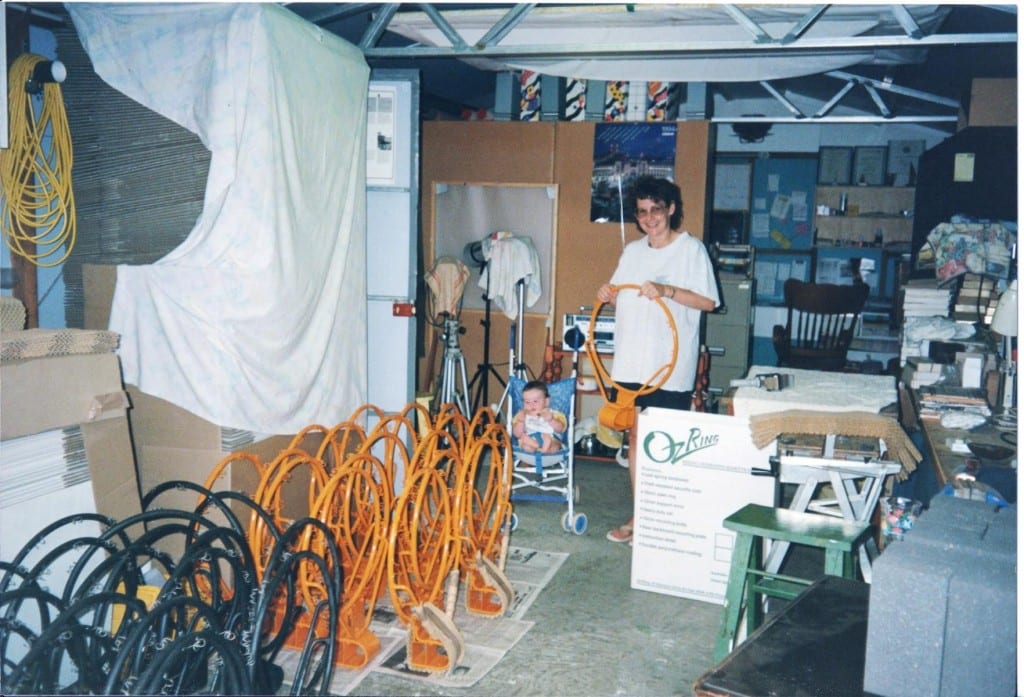
Revealing that while the games offered new opportunities, they also introduced greater complexity in manufacturing processes and rising expectations. Their team was stretched thin, designing products, managing suppliers, and building parts at night in Trevor’s home garage.
“There was a bit happening,” he reminisces. “Our premises were too small, so we did things at home, whatever needed to be done.”
Trevor pointed out that the groundwork for major events starts five or six years in advance. While many companies concentrate on the event itself, he stresses that the key opportunities are in the preparation stage. This includes tracking tender portal winners and staying in touch with them for service opportunities. Instead of seeing large contracts as the sole opportunity, his advice emphasises that early engagement and procurement efforts with major suppliers are better able to secure meaningful involvement, even if only small.
Building on this, Trevor and Radmila shared another key lesson learned: success at scale requires balance.
“You can’t shut the tap off on your regular customers,” he warns. “We slowed up supplying them, and they got annoyed.”
Radmila adds, “Ask questions, talk to people,” emphasising “Don’t think you can do it all, because you can’t.”
This experience became a significant driver of development in the Play Hard Sports business model. Signalling an important reminder for future businesses wanting to get involved with big events. Large-scale events, such as the 2032 Olympics, rely on systems extending far beyond the stadium, including supplier opportunities to meet the vast needs of these events.
“We’re not in awe of our opposition anymore,” he says. “We see ourselves now as leaders in the industry. Before, we thought we were just small fry.”
Play Hard Sports’ journey started in a garage, with two people who knew they had something to offer the sporting world. Their story shows that success is not accidental but the result of backing your vision, realising the opportunities on offer, and seizing them as they arise.